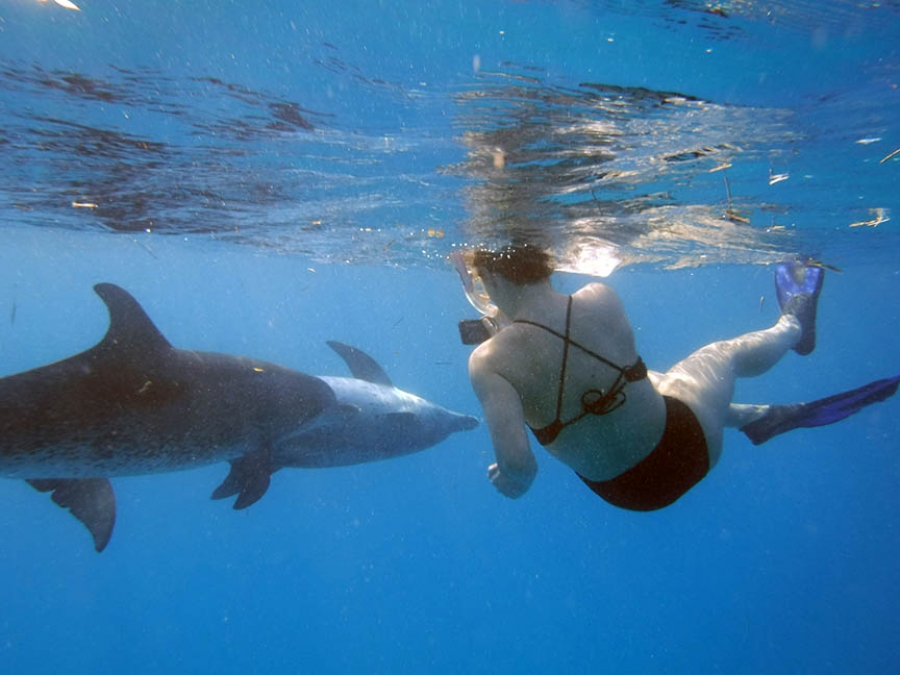
Nicole, Manon and I are thrilled to have Dr. Turnbull and students from UNBSJ back for their Bimini field course! We hope you enjoy the student blog posts for the rest of the week.
-Kel
On Sunday morning, we flew to Bimini in two tin cans. Well, okay, there were two planes, but they were really small! They got us to Bimini around 10:30 a.m. We left the airport and in no time were at the South Bimini water taxi dock.
Category: Blog & Field Reports
Nurse sharks and bottlenose dolphins!
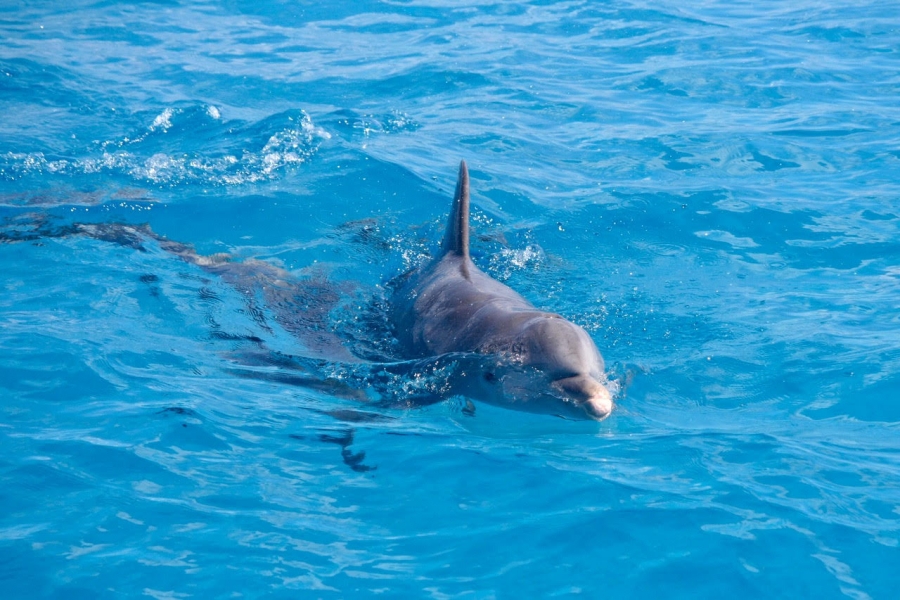
After the cancellation of Friday’s trip due to bad sea conditions, I was able to join Bimini Adventures’ guests once again on Saturday morning. And it didn’t take time before we find some dolphins, just half an hour…
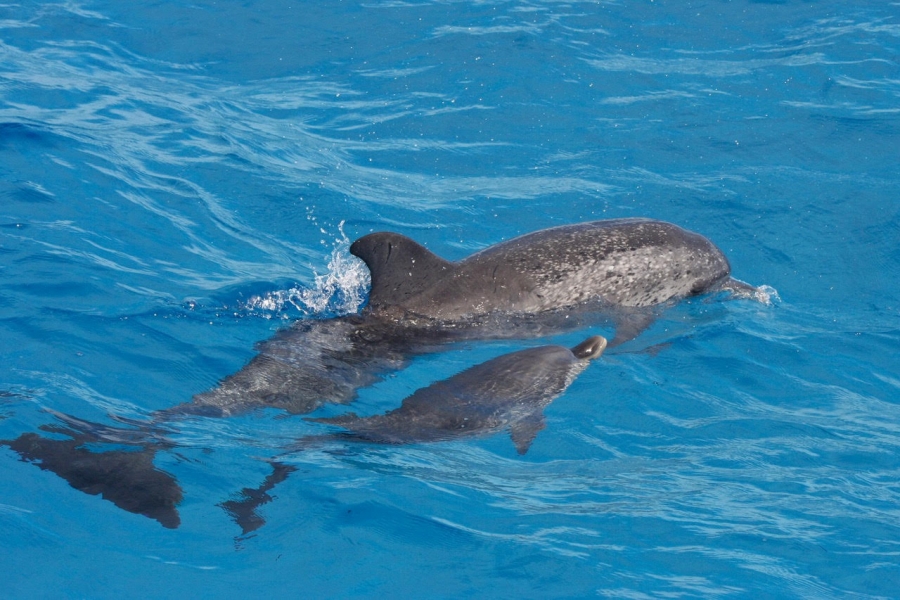
A dozen bottlenose dolphins were feeding not far from the shore, accompanied by few nurse sharks! The group was mostly composed by the same individuals that we saw earlier. The guests got into the water and observed them few minutes, before moving on for spotted dolphins.
Baby…..Shark!
Are you singing the song now? I began my day with Kel and her two kids, learning about – sharks! We had a private tour of the Bimini Biological Field Station (aka SharkLab). With preschool attention spans in mind, Chessie took us straight out to the pens. Here, we had a nice encounter with Dave the nurse shark and a lemon shark we nicknamed “Sour.” We got lots of great information and even got to touch (kids) and hold (grownups) Dave.
First trip with DCP today!
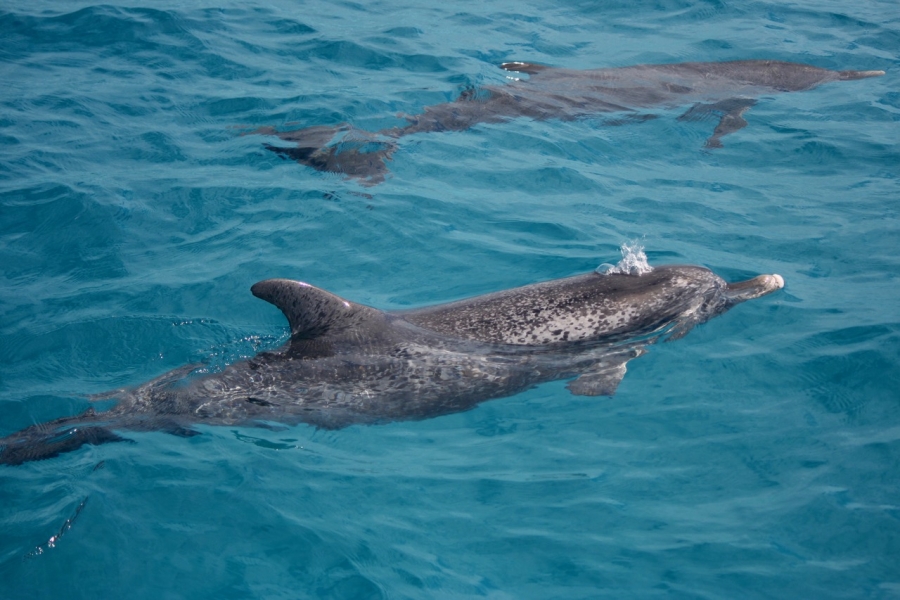
On Wednesday, I was able to join my first official DCP dolphin trip with Bimini Adventures. We left the Sea Crest marina around 1:30pm to look for dolphins. After two hours of searching and despite our twelve eyes scanning the sea, nothing.
Are Dolphins Creative?
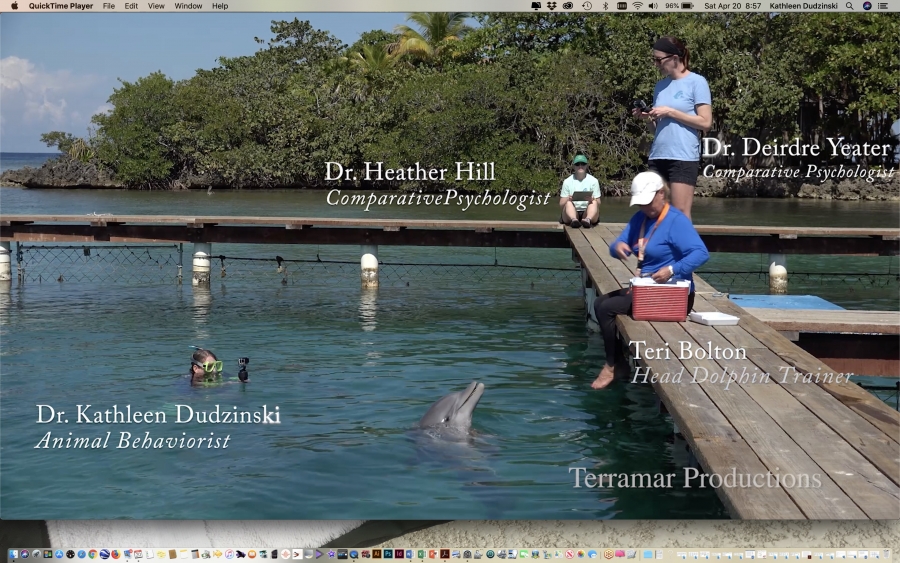
We’ve observed dolphins engage in a variety of behaviors from exchanging contacts to chasing one another to vocalizing to creating bubble bursts. They produce behaviors singly or in combination, by themselves or with peers. We’ve documented unique actions and typical interactions. But, what we’d not, until recently, examined was whether dolphins could be creative. And if so, maybe we could figure out just how creative they could be.
Manon the Tourist and Kel at Swim Camp
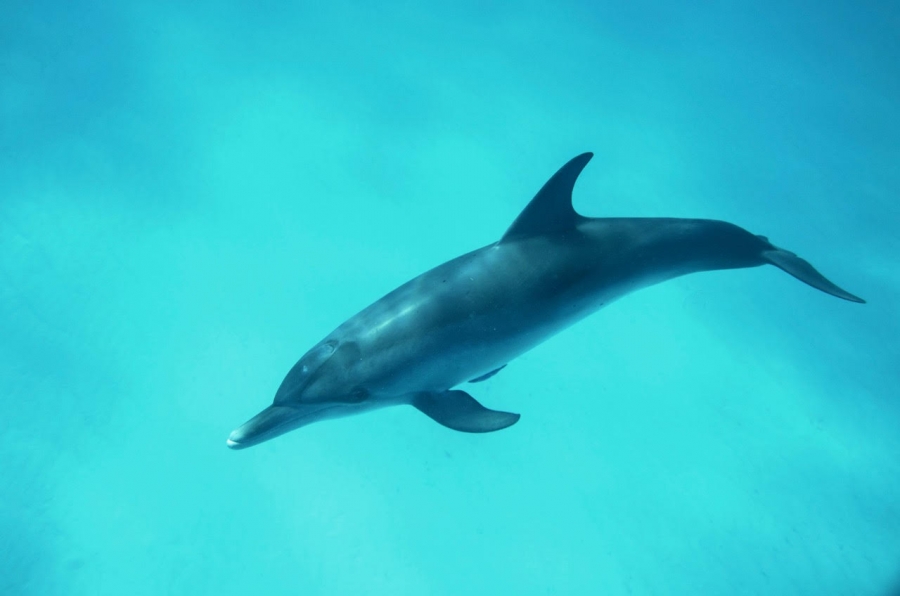
Manon is in Bimini during DCP’s off-season, doing data analyses her Master’s project. But, that doesn’t mean she doesn’t want a chance to see the dolphins! Soon after arriving, she and Kel went in search of #104 (“Lamda”), but didn’t see any dolphins. Here, Manon describes finally getting to see the Bimini dolphins!
“Several weeks have passed and after few failing attempts to go out for dolphins because of poor weather conditions, last Thursday was the day. DCP did not have any research trips scheduled, so I played tourist and joined a dolphin trip from North Bimini.
Another chance to join us in The Bahamas!
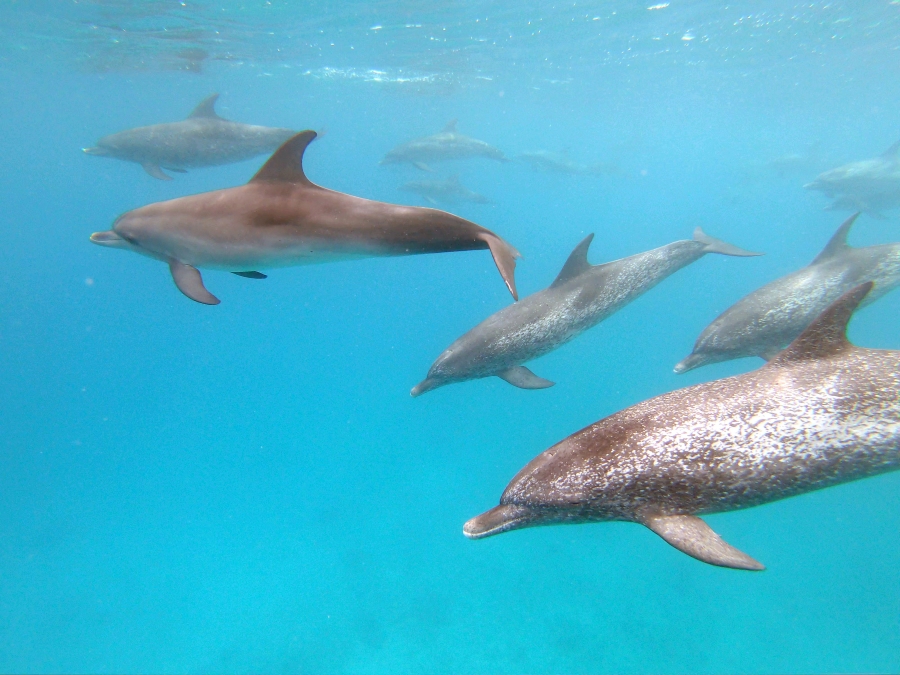
With our 30 June – 5 July Bimini (The Bahamas) eco-tour nearly filled (only one spot left!), we’ve decided to try for a second session!
If you’ve always been curious about DCP’s wild dolphin research and think it would be awesome to observe and swim with wild dolphins, sign-up today!
Check-in Sunday 11 August, Check-out Friday 16 August
Click here for more details and get your deposit in today!
Bimini, here I am!
Introducing, DCP’s spring intern, Manon! Manon is a Master’s student from France who has spent about 5 weeks working at DCP’s Florida office and is now continuing her research project at our Bimini, The Bahamas field site. We hope you enjoy reading Manon’s perspective over the coming weeks! ~Kel
…….
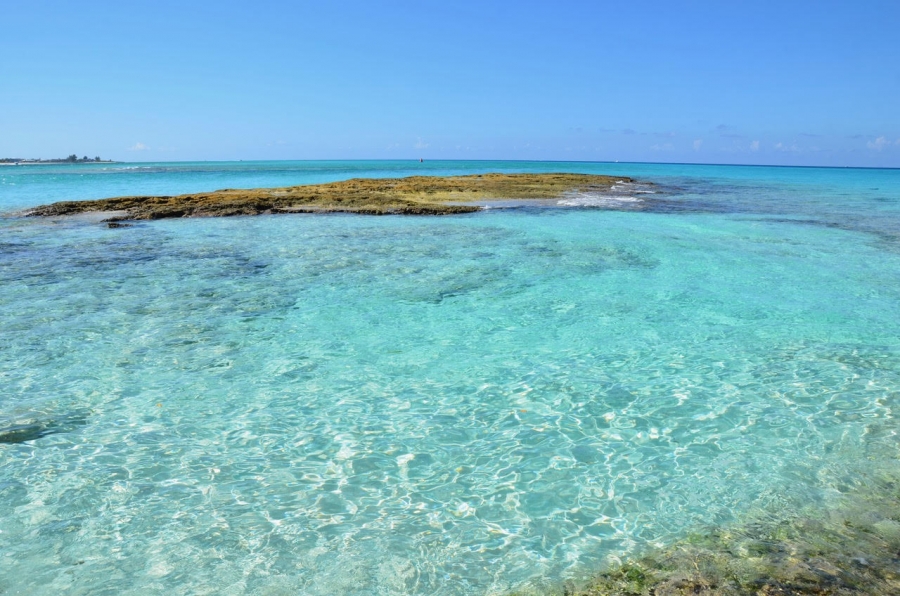
I got the first stunning sight of Bimini Islands from the plane, and it was only the beginning…
After one month of data processing in Florida, it was time for me to go into the field, hoping to see some of our well-known dolphins.
Well, came up with some bottlenose
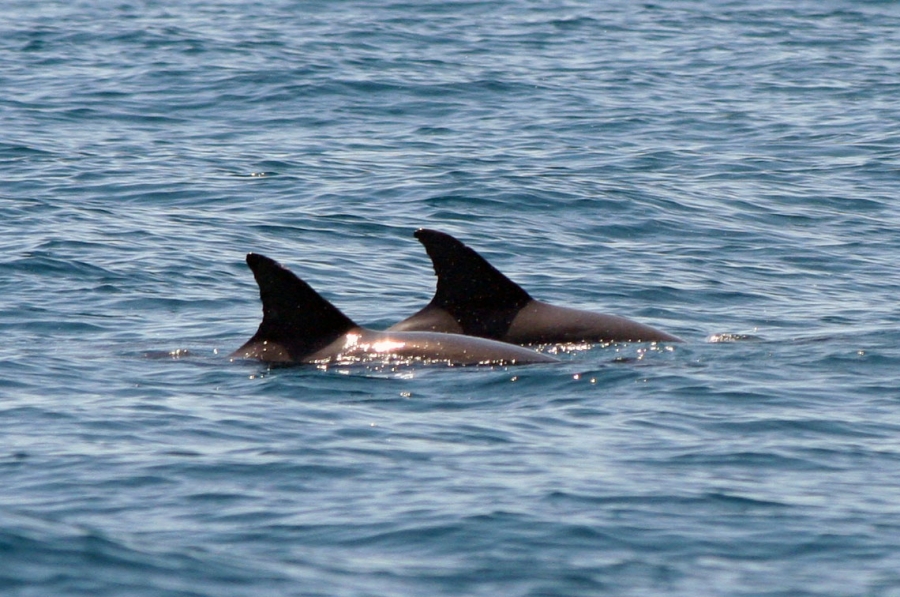
On Saturday, things finally lined up: boats were in order, captain was free and the seas were calm. We headed out in search of “Lamda” (DCP ID#104). Lamda grew up around Bimini, but stranded far from home in late Aug 2018; he was rescued, rehabilitated and released with a satellite tag (read all about it here and here). But, the satellite data was weak for the last several days; the few points that were coming in were really bad quality, which means they didn’t provide reliable information about Lamda’s location.
Finding Lamda
While we wait to see “Lamda” (DCPID#104) again, we thought you’d like to see how he was doing during our January observation. The video isn’t edited – just the real recording of how he was swimming (great, by the way). The rescue, rehab, release and monitoring of this guy has been a serious team effort involving: Bahamas Marine Mammal Research Organization, The Wild Dolphin Project, Atlantis Bahamas and the Sarasota Dolphin Research Program.
We’re hoping to see more of #104 soon. And certainly during our 2019 Bimini field season, which begins in April.