
{mp3}TheDolphinPod-2006-10-24-25375{/mp3}
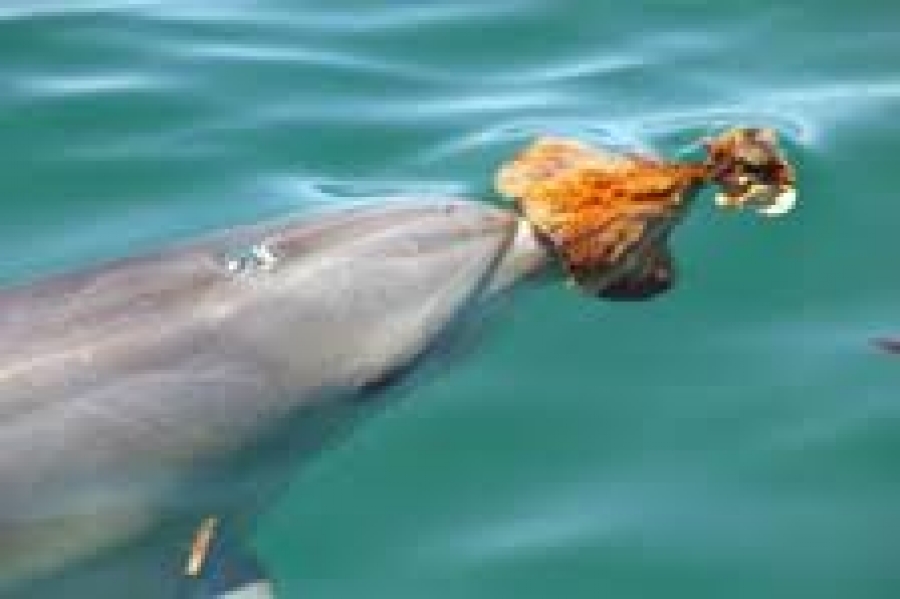
Indo-Pacific bottlenose dolphins in Shark Bay Australia have been observed using sponges as tools for foraging. Learn more about dolphin tool use in this week’s episode.
In 1969, Neil Armstrong was the first human being to set foot on the moon, marking a major milestone in technological advancement. And, as we all know, he took a giant leap for mankind. This was an important and perhaps much needed victory for humanity; as just 9 years earlier, mankind suffered a major setback at the hands of David Greybeard.
Tag: older content
Dolphin Researcher Spotlight: Kathleen Dudzinski
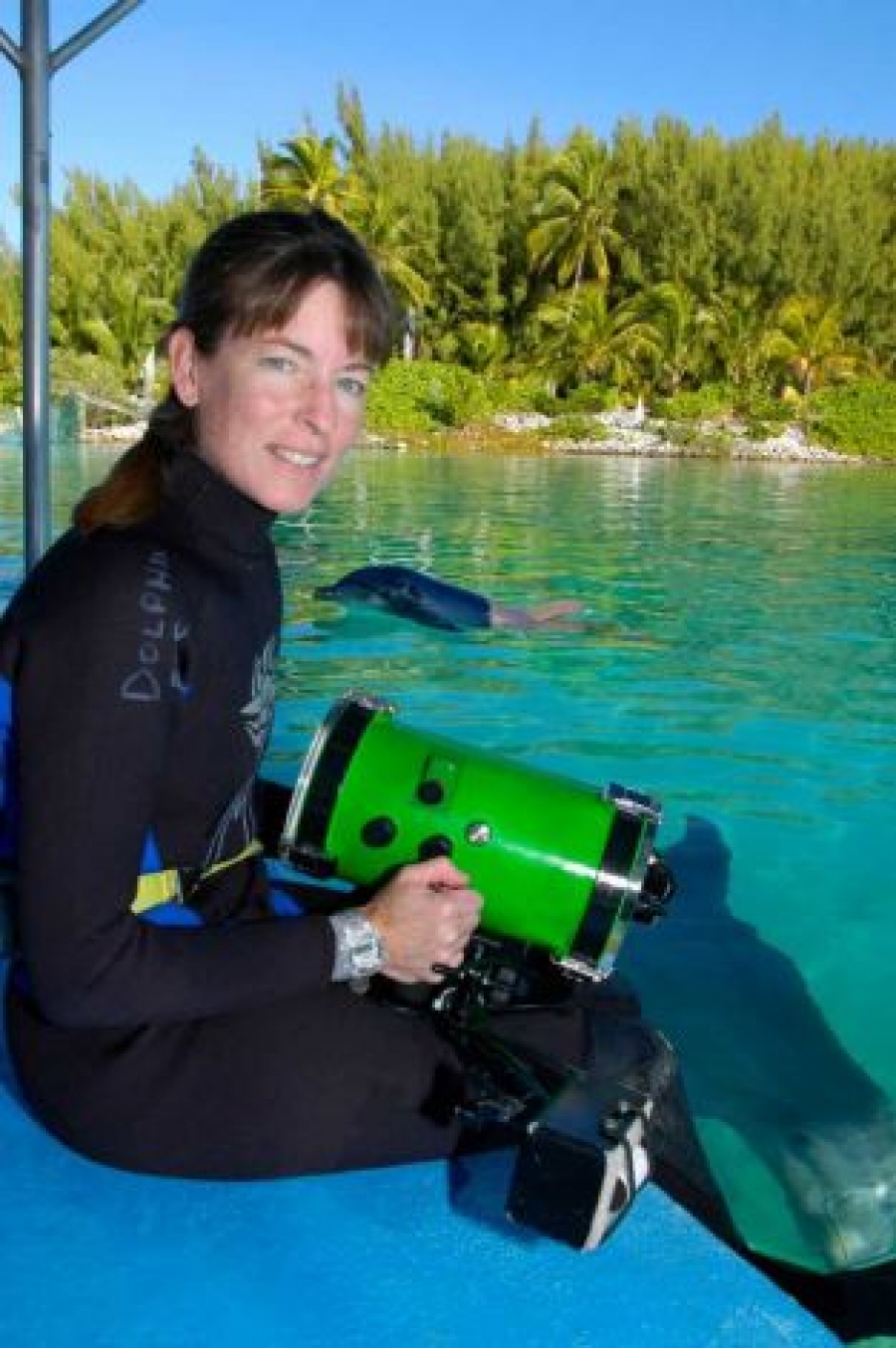
This week’s special video podcast, produced by John Anderson, features an interview with the director of the Dolphin Communication Project; Kathleen Dudzinski.
Dolphin research at the Roatan Institute of Marine Sciences

This special video podcast, created in 2003, highlights the research being conducted by the Dolphin Communication Project (DCP) with the bottlenose dolphins at the Roatan Institute of Marine Sciences (RIMS). DCP collaborates with RIMS to conduct behavioral and sound observations on 17 bottlenose dolphins, ranging in age from a few months to ~30 years old, residing at Anthony’s Key Resort.
How does echolocation work?
{mp3}TheDolphinPod-2006-10-10-30819{/mp3}
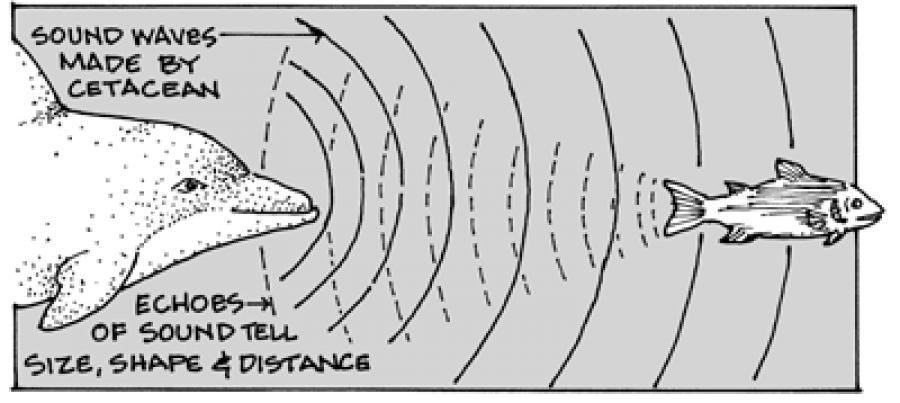
As you may be aware, dolphins are able to use a special kind of sonar called echolocation or biosonar. In fact, all toothed cetaceans, that is – all of the whales, dolphins and porpoises that have teeth – are able to echolocate. Echolocation is the primary sense for most of these species; more important even than vision. And, if you think about it, that makes a lot of sense. You don’t have to dive very deep in the ocean until light levels all but disappear.
How to identify individual dolphins
{mp3}TheDolphinPod-2006-10-03-46465{/mp3}
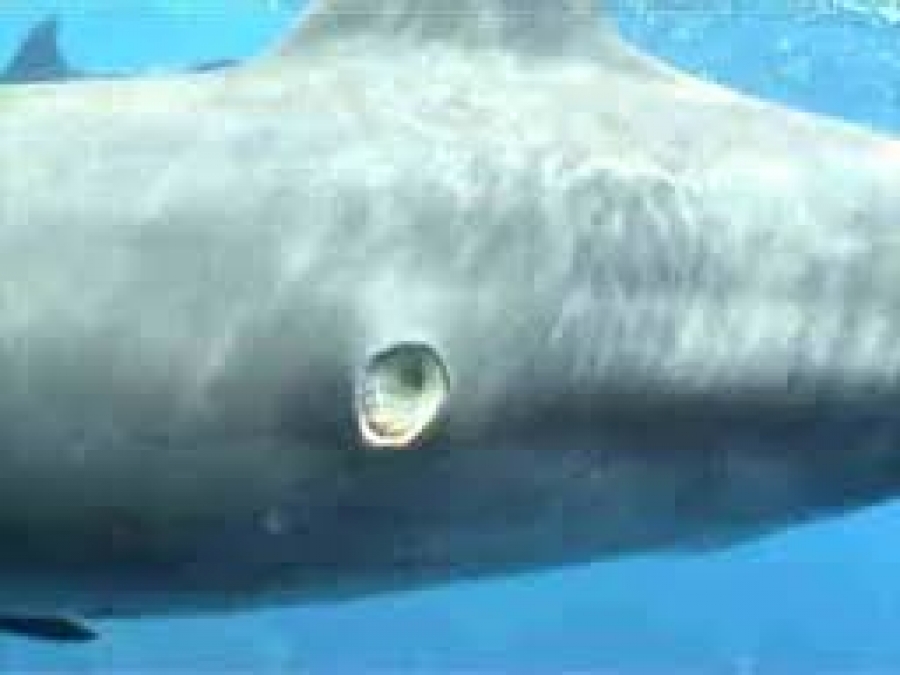
For scientists studying wild dolphin populations, being able to identify individual dolphins is a vital component of their research. In this week’s episode, learn how scientists are able to tell one dolphin from another.
Have you ever had that feeling where you are talking to someone at a party and you are sure that you have met them before but you just can’t seem to place them? Did you meet them at your cousin’s wedding last summer maybe? Did they go to elementary school with you perhaps? This can be frustrating.
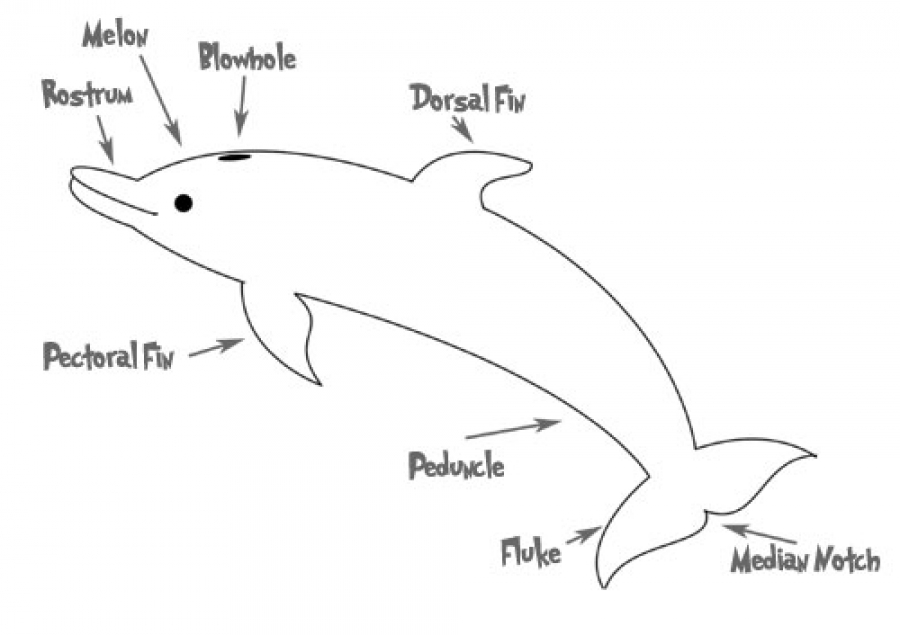
Know a dolphin’s body parts
{mp3}TheDolphinPod-2006-09-25-46453{/mp3}
Here is a news flash: dolphins do not have arms or legs! OK, OK, so that is hardly news. Surely everyone knows that dolphins have flippers instead of arms. Or, is it flippers instead of legs? Or, are they called fins? Fins, flippers… uh oh, what exactly are all those special dolphin appendages called?
This sounds like a job for “Dolphin Anatomy Terminology Man”.
Ah, air travel
Sorry about the delay everyone! It was quite an adventure getting back here & then being able to settle in. Delta decided to make an itinerary change & not inform me…Which wouldn’t have been the end of the world, except that my new flight was scheduled to arrive in Salt Lake City AFTER my connecting flight took off! They quickly saw that this was not going to work & although they were very gracious in booking my new flights first class, it wasn’t until the following day. So, I waited in Ft.
Dolphin breathing – it’s the thought that counts
{mp3}TheDolphinPod-2006-09-20-54132{/mp3}
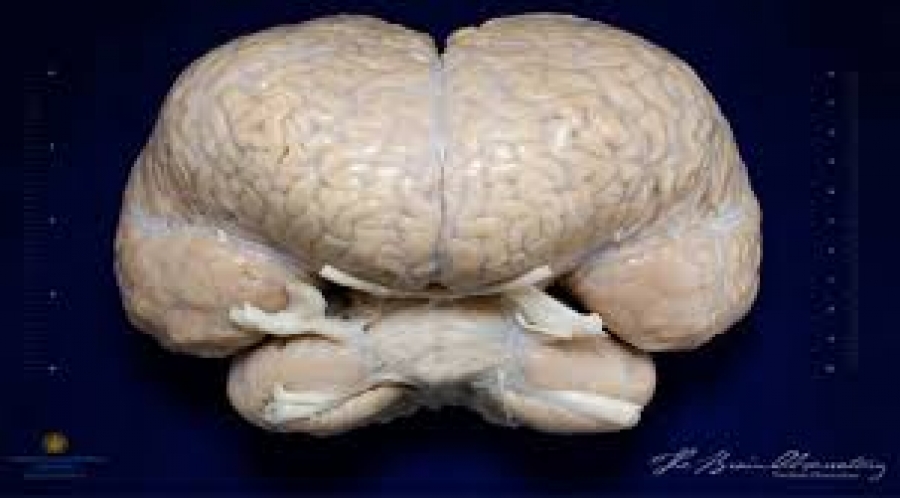
In the dolphin brain, breathing is controlled consciously – that means that a dolphin has to think about every breath it wants to take before it takes it. Learn how dolphins sleep, and still manage to control their breathing.
Your breathing is controlled by parts of your brain called the medulla oblongata and the pons – they are located deep in your brain-stem down at the base of your brain. These little guys are in control of a lot of very important things that you do, including keeping your heart beating.
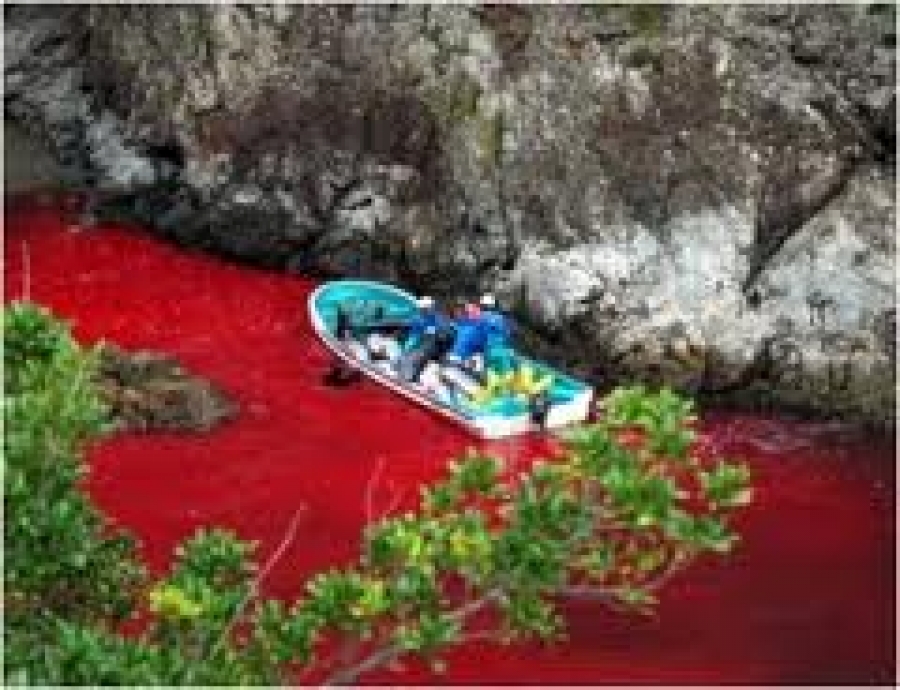
Newsflash: Japanese Dolphin Drive Hunts Day of Protest
{mp3}TheDolphinPod-2006-09-20-54884{/mp3}
Today, September 20th 2006, marks an international day of protest initiated by a consortium of scientists against the annual Japanese dolphin drive hunts. The goals of the campaign are to raise public awareness of the dolphin drive hunts, and to boost measurable support through the group’s website petition which currently includes over 22,000 signatures, including many noted marine mammal scientists.
Travel day
Time in the air versus time in the airports – which is greater in the number of minutes? The day was filled with travel by taxi boat, bus, airplane, shuttle train, and car. It was a mostly uneventful day and we were very glad to get home.
The summary of our trip will be available in the next issue of the Dolphin Gazette (late October/early November).