
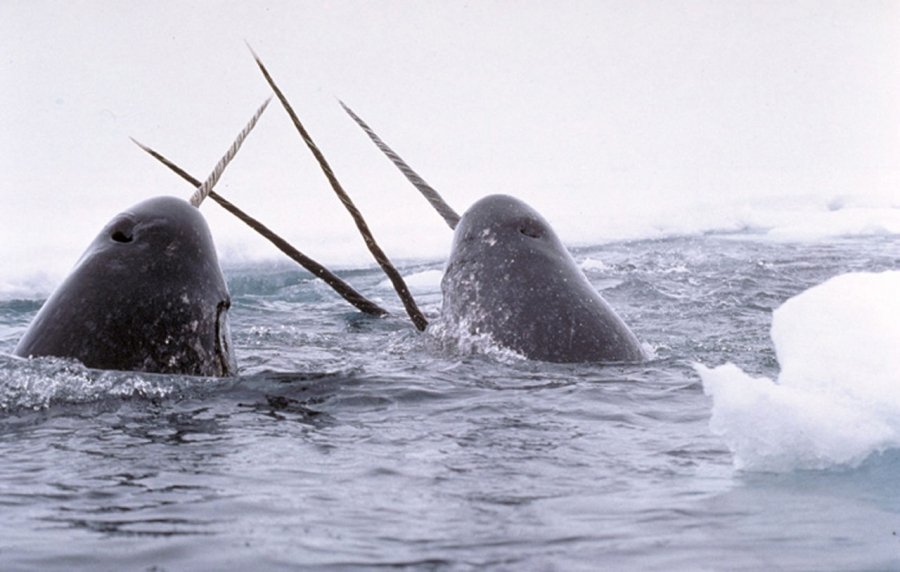
Today is Earth Day 2007. According to the Earth Day Network Web site, the focus of this year’s Earth Day is “A Call for Action on Climate Change”. Climate change is a topic that is in the news a lot lately, but one rarely finds a connection between climate change and dolphins. However, there is one species of cetacean that is on the front lines of this battle against climate change: the narwhal.
Tag: older content
Scats and Dogs
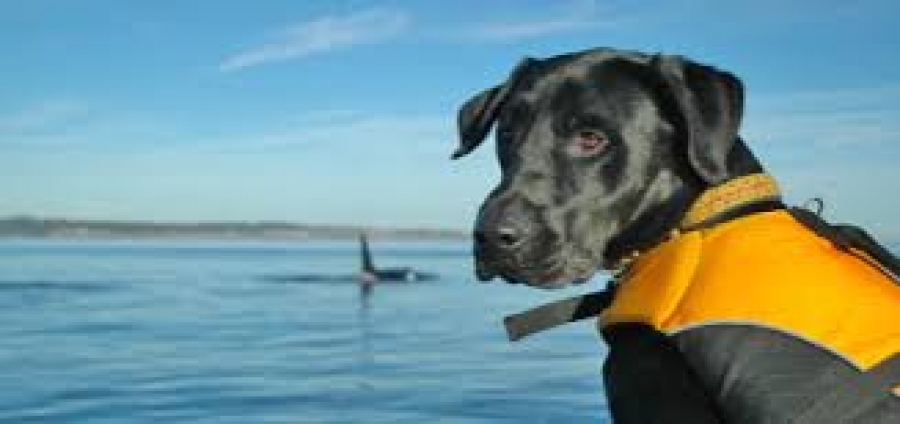
This week’s episode of The Dolphin Pod is not actually about dolphins, but this little gem was simply too precious to ignore. OK, imagine for a second that you are a whale researcher, and your task is to investigate the health of an endangered population of North Atlantic right whales. There are only about 350 individual whales of this species left in the world today. Their numbers have not increased over several decades.
Dolphin Antennas
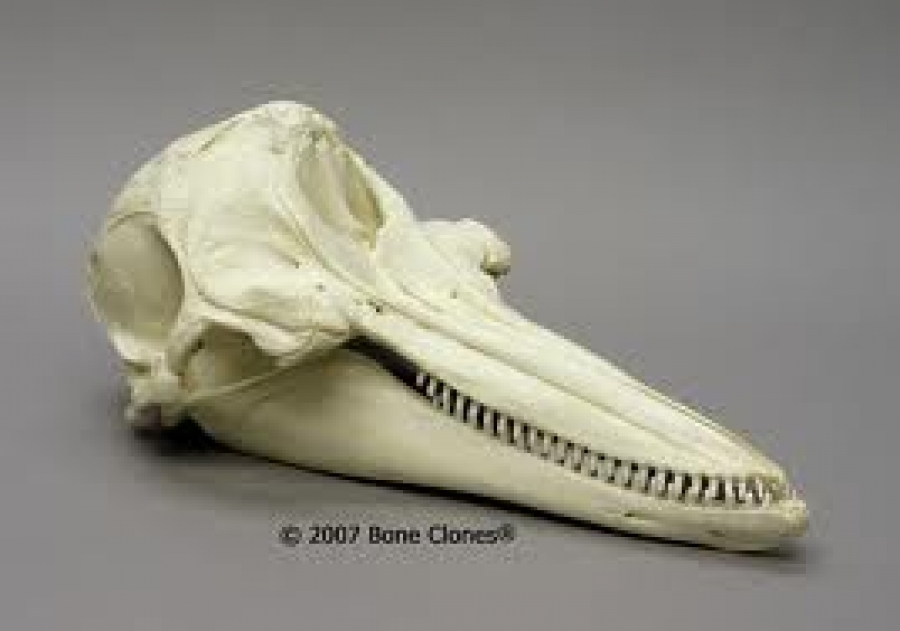
Scientists think that dolphin’s teeth aren’t just for grabbing – a hypothesis that is gaining considerable support suggests that dolphin teeth might be used as an antenna. Not an antenna for picking up radio or television signals (dolphins probably aren’t too bothered if they miss an episode or two of Survivor), but for detecting sonar signals. Learn more about the strange properties of dolphin teeth in this week’s episode.
Not all teeth are created equal. Some animal teeth are for grinding and chewing (like the human molars), some for tearing and cutting (like the human incisors).
Where does the word ‘dolphin’ come from?

In today’s episode, we will shed light on the ancient history of the word ‘dolphin’.
Have you ever wondered what the word for ‘dolphin’ was in other languages? Well, I’ve got a dictionary in front of me that provides simultaneous translations in 26 languages. Let’s have a quick look through, shall we? Let’s see…
English: dolphin
French: dauphin
Italian: delfino
Spanish: delfin
German: delfin
Dutch: dolfijn
Swedish: delfin
Lithuaina: delfina
Hungarian: delfin
Hey hold on a second, I think there might be a bit of a pattern here.
The Dolphin’s Vestibular Sense
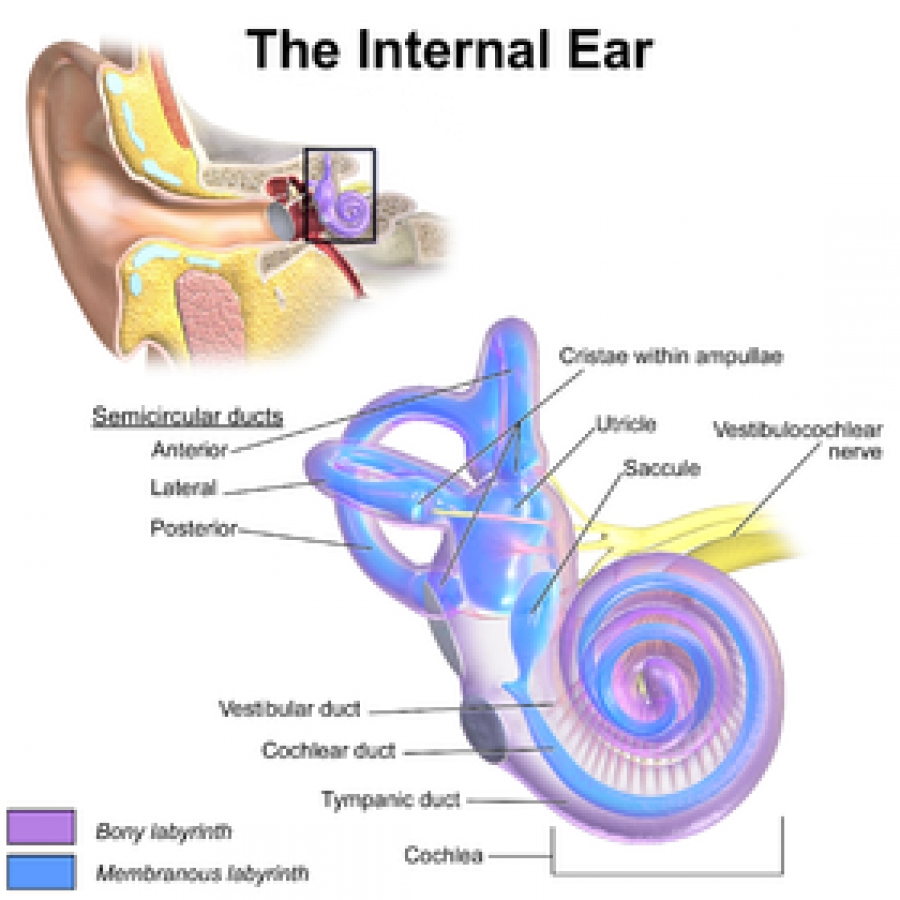
Space. The final frontier. Only the bravest of us dare to venture into the cold darkness of space. Those intrepid, courageous men and women, who have voyaged beyond earth’s atmosphere, have doubtless been subjected to a surge of powerful emotions as they gaze upon planet earth from such a great height. These emotions can only be described as…. nausea, dizziness, queasiness, disorientation, sickness, wobbliness, lightheadedness, wooziness, and are often accompanied by … vomiting!
I am talking about what astronauts often refer to as Space Sickness.
Dolphin Eyeballs
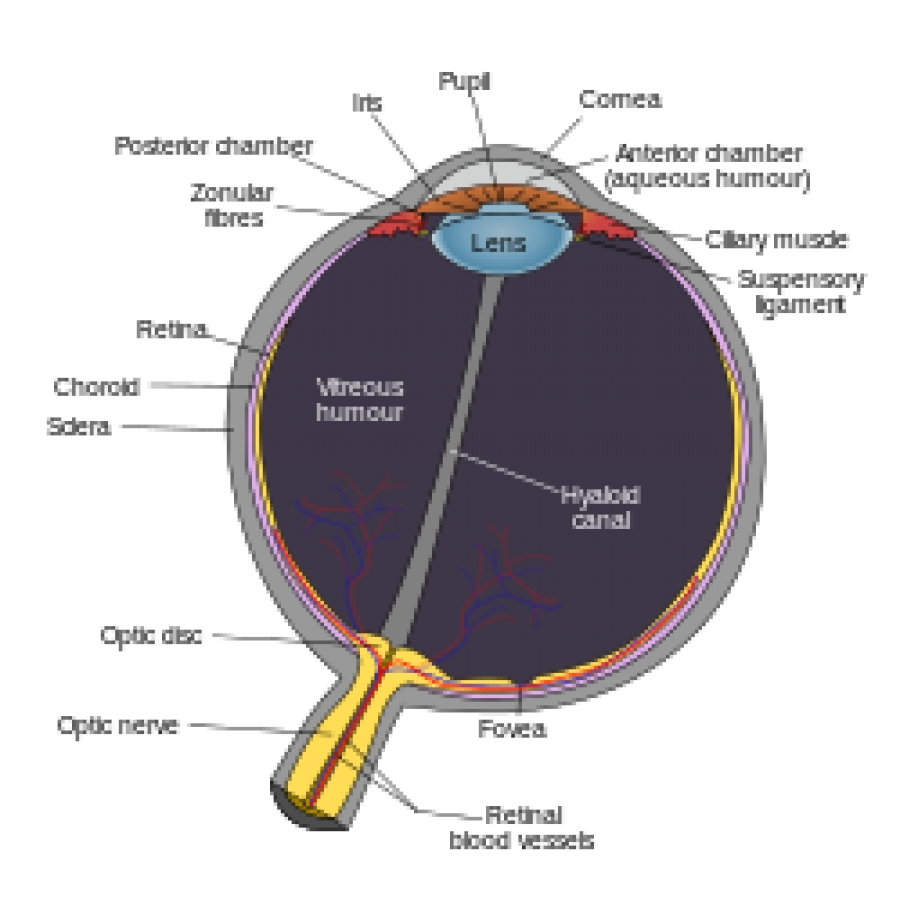
If you are a regular listener to the Dolphin Pod, then you’ll be aware of the power and versatility of a dolphin’s echolocation system. If you are inclined to be jealous of the sensory systems of other animals, you could do worse than to envy dolphin biosonar. It is pretty cool stuff. At least, you can rest assured that humans outshine dolphins when it comes to vision, right? Not so fast my simian friend – while it is true that humans and other primates do have well-developed visual systems, our dolphin friends are not far behind.
Fungie the Dingle Dolphin
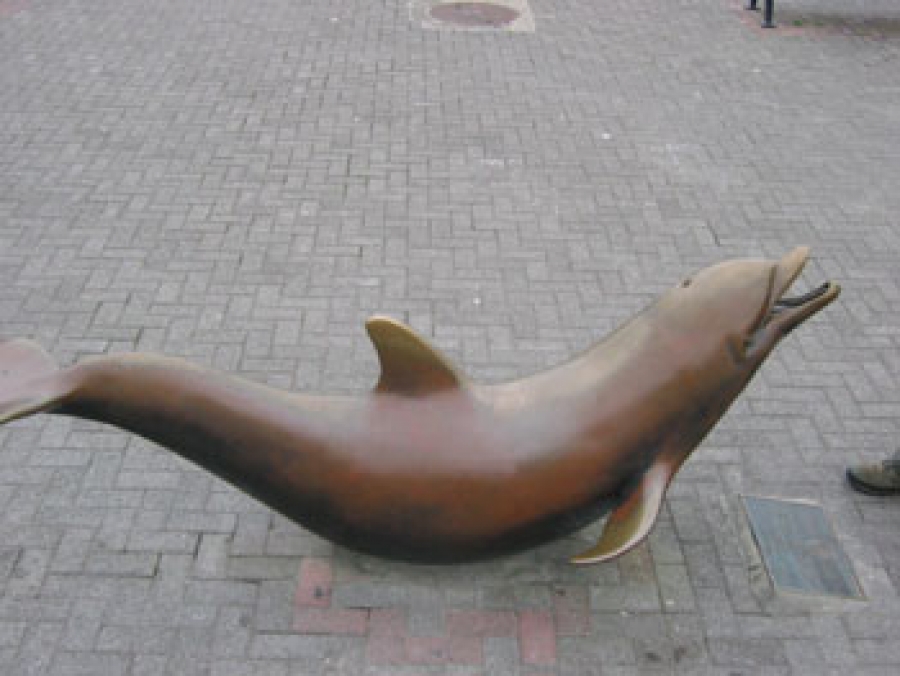
This week’s episode features a personal essay about my experiences of swimming with Fungie – the famous solitary dolphin who has been living near the town of Dingle on the west coast of Ireland.
I’m not dolphin-centric!
So, last summer I went through both of our Bimini photo-ID catalogs and pulled aside all pictures of injured or clearly scarred dolphins. This pile isn’t tremendously large, but there are 6 or 7 good photographs. Today I finally got the chance to share these with the researchers on South Bimini, at the South Bimini Biological Station, aka Shark Lab. We put our bicycles on the ferry that runs between North & South Bimini and when we pedaled up to Shark Lab, we were greeted by “Bullet” a very endearing young pit-bull.
The narwhal’s tusk
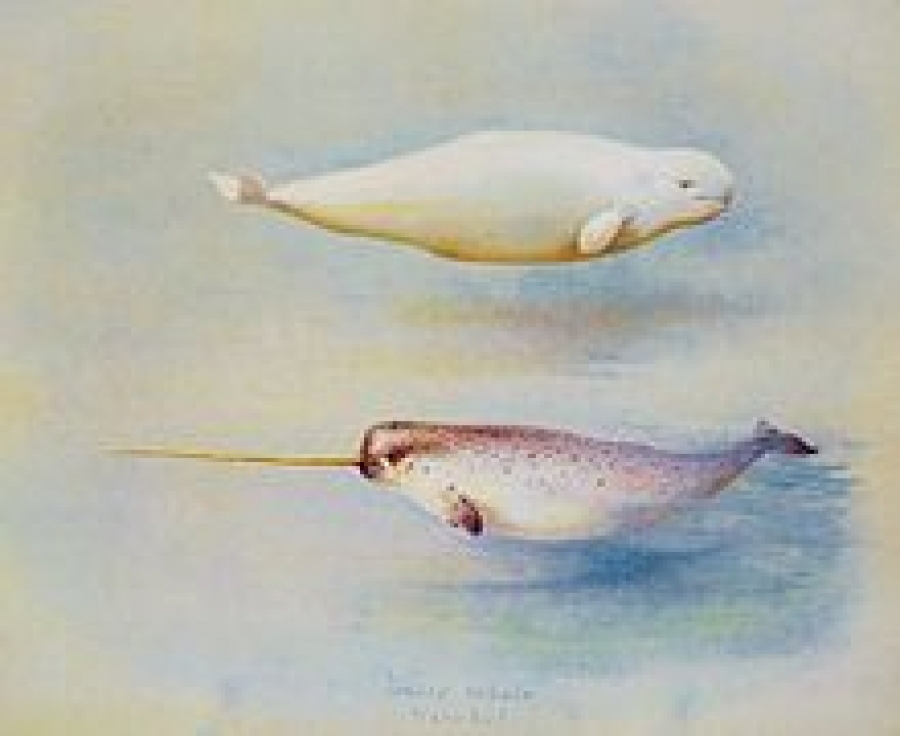
The narwhal is perhaps one of
Writing.
In between sorting photos, I’ve also been trying to get lots of reading done. I brought a pile of scientific papers down with me; I’ve made some headway, but it seems for every paper I get through, I find a newly published one that needs to go into the pile! I’ve also been continuing to work on the stranding response plan document. Our hope is that I spend lots of time on it & we never need to use it.